
Wildfire Preparedness Starts at Home: What Idahoans Can Do This Spring
Wildfire Preparedness Month is here, and across Idaho, homeowners are taking steps to reduce risk before fire season intensifies. Preparing your home for wildfire doesn’t have to be overwhelming — the key is to break it into manageable phases. By tackling a few tasks each month, you can dramatically improve your home’s chances of surviving a wildfire.
April: Early Preparation Phase
Spring is the perfect time to assess your risk and make a plan.
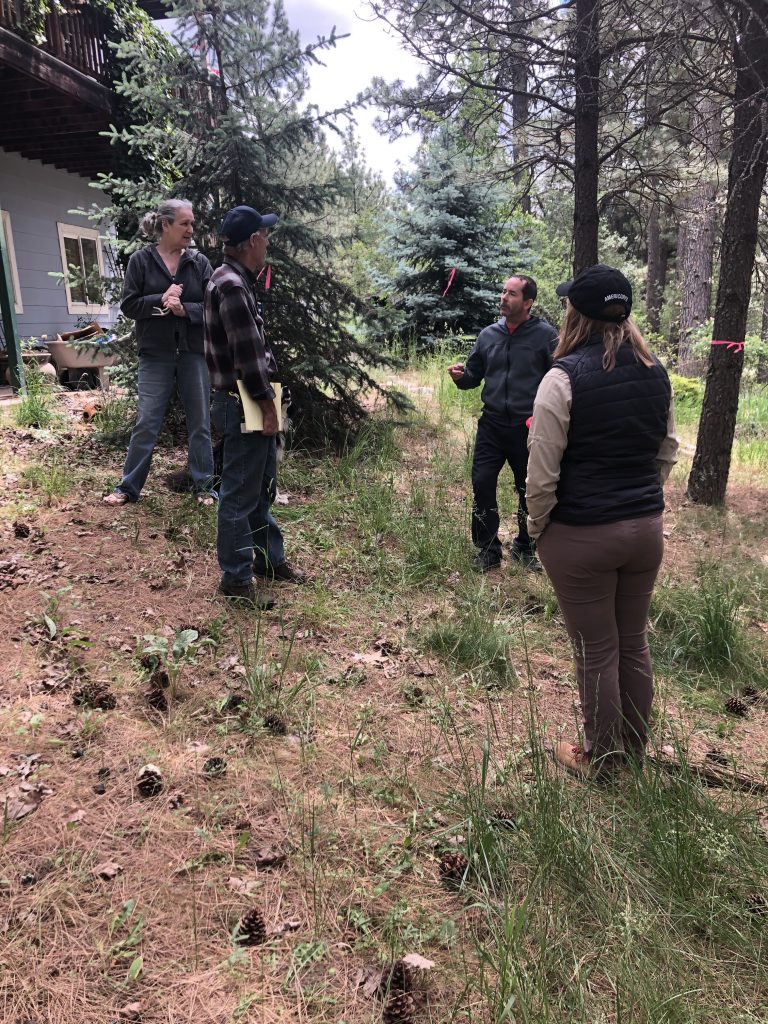
Assess Your Property’s Risk Start by visiting Idahofirewise.org to understand the wildfire exposure to your home. Walk your property and look for vulnerabilities in your roof, vents, siding, vegetation, and outdoor storage areas. If you prefer expert guidance, schedule a site assessment with your local fire mitigation office or Idaho Firewise.
Build or Update Go‑Kits Every household member — including pets — should have a go‑kit with three days of essentials. Check expiration dates on food, water, and medications. If your family is squared away, consider helping a neighbor who may need support assembling their own kit.
Insurance & Document Checkup Review your home or renter’s insurance to confirm wildfire coverage. Take a quick video walkthrough of your home and upload it to cloud storage or place it in a fireproof box. This simple step can make recovery much easier.
Sign Up for Emergency Alerts. The watchduty.org app is free and provides real-time wildfire alerts and maps.
Connect With Neighbors Choose a few neighbors to coordinate with about evacuation plans. Identify anyone who may need extra help leaving quickly during an emergency.

May: Active Preparation Phase
As Wildfire Awareness Month arrives, shift into hands‑on home hardening and defensible‑space work.
Start With the Home Itself Many people jump straight to yard work, but the home is the most important place to begin.
- Replace vents with 1/8” metal mesh to prevent ember intrusion.
- Clean or replace indoor air filters.
- Inspect chimneys and install spark arrestors.
- Replace damaged seals around garage doors, skylights, and windows.
- Repair or replace damaged roof tiles and remove debris from roof valleys.
- Upgrade single‑pane windows to double‑pane tempered glass when possible.
Decks, fences, and siding attached to the home can act like fuses. Ideally, these should be made of non‑combustible materials such as fiber cement, stucco, or masonry.
Prepare the Immediate Zone (0–5 feet) This is the most critical area for home survival.
- Remove wood mulch, leaves, and needles; replace with rock or pavers.
- Remove shrubs or trees within 5 feet of the structure.
- Store flammable items — doormats, patio furniture, planters, propane tanks — in an enclosed area when fire threatens.
- Choose low‑growing, high‑moisture plants such as groundcovers or succulents.
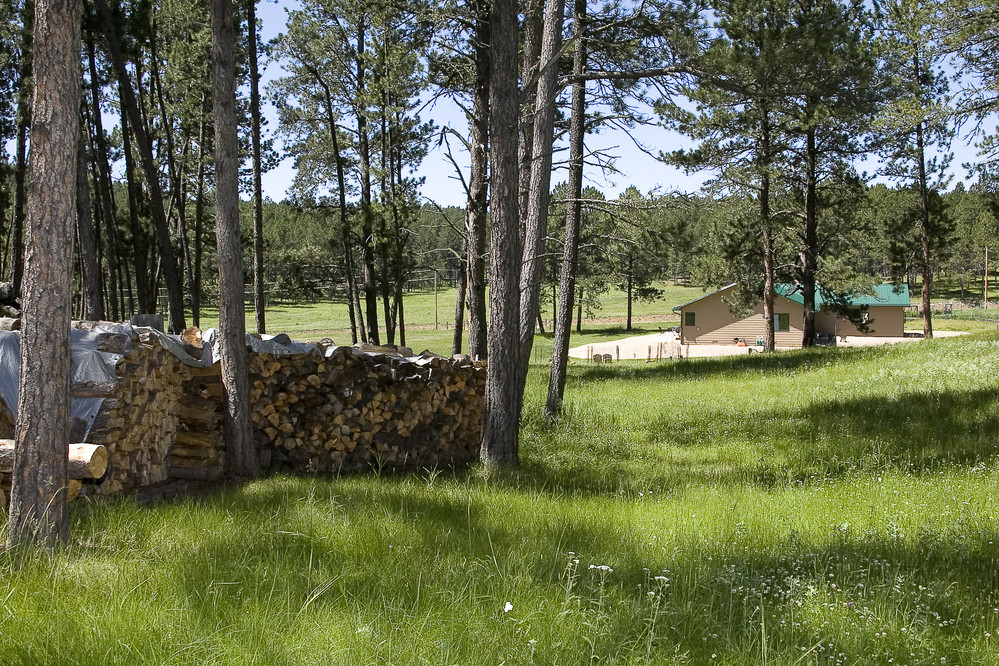
Create Defensible Space (5–100+ feet) Defensible space slows fire spread and gives firefighters a safer place to work.
- Keep lawns green and trimmed.
- Limb up trees and remove ladder fuels.
- Space shrubs and plant groupings to create “negative space.”
- Remove dead or overgrown vegetation.
Late Spring & Early Summer: Ongoing Preparedness
As vegetation grows and fire season approaches, stay vigilant.
Maintain Your Work Continue clearing debris, trimming grasses, and removing new growth that could become fuel.
Ensure Emergency Access Make sure your address is clearly visible from the road and limb up vegetation along driveways so fire engines can access your property.
Stay Alert Monitor local fire conditions and maintain communication with neighbors. Preparedness is a shared effort — and it starts with each of us.